The type and colour of the device hanging on the front of your harness is a window into your psychology.
Probably.
But I’m not a psychologist so this is just a quick summary on the different types of abseil devices available.
These are just my opinions and others may have different thoughts. If so drop them in the comments.
Where I haven’t had hands-on experience for that particular device I will say, so take those opinions and indicative only.
Basic Figure 8 style devices

The classic device most people will be introduced to abseiling on.
Advantages:
Cheap. Lets face it when starting out people aren’t looking to spend big.
Versatile. You can rig a simple figure 8 in all manner of ways to change friction settings, use as a releasable block, use as an ascender, and even as a semi auto belay.
Disadvantages:
Harder to adjust friction on the fly than other devices.
Harder to lock off than other devices.
The need to remove the device from the carabiner to connect and disconnect from the rope increases the chance of dropping the device
Easy to connect in the wrong orientation increasing the chance of getting locked off by the dreaded larks foot https://youtu.be/zPgD5K4yb00?si=67NF4OBfJJAOqbcL
They twist the rope .
Horned figure 8 devices
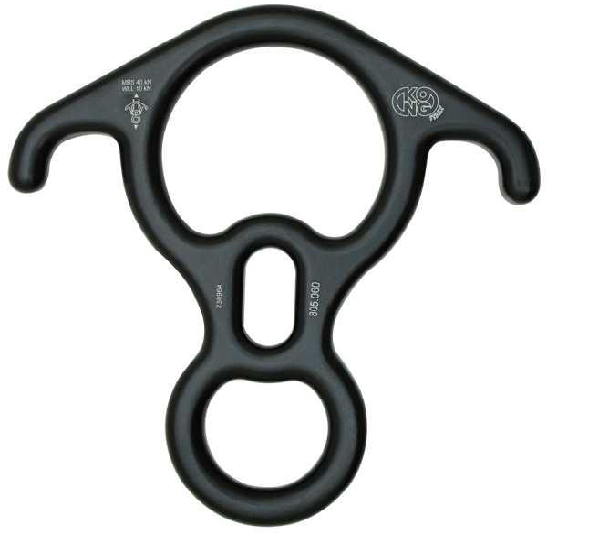
TBH I haven’t used too many of this style of device but there are various forms on the market.
Advantages:
Cheap. Similar price to a standard 8 with the advantage of preventing larks footing
Versatile. You can rig a simple figure 8 in all manner of ways to change friction settings, use as a releasable block, etc.
Disadvantages:
Harder to adjust friction on the fly than other devices.
The need to remove the device from the carabiner to connect/disconnect.
They twist the rope
Totem
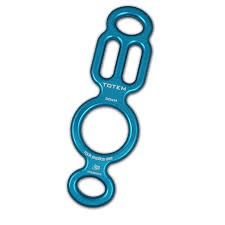
Combining a figure 8 with a belay/sticht plate and anchor management options.
Advantages:
All the advantages of a figure 8 and a stitch plate.
Multiuse.
Disadvantages:
Bit more expensive
A bit bigger, heavier. Though not as big as I thought it would be.
Harder to adjust friction on the fly than other devices.
Harder to lock off than other devices.
Sticht plate
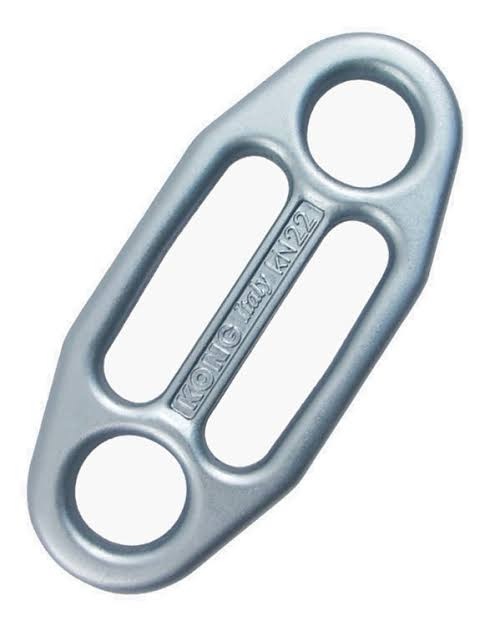
Ok I’m referring to Gigi and similar devices as a sticht plate style of device. That might be wrong. But I said what I said.
I haven’t abseiled on one but have used one for anchor management.
Advantages:
Small.
Multiuse. Despite looking and being so simple they are surprisingly versatile.
Disadvantages:
Needs extra carabiners.
Harder to adjust friction on the fly than other devices.
Harder to lock off than other devices.
ATC
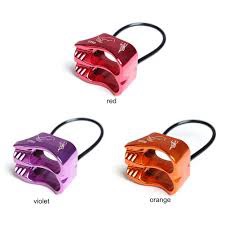
ACT style devices, more correctly referred to as “Tube style” devices are primarily designed as a belay device for climbing. They also work well for descending.
Advantages:
They don’t twist the rope and keep the stands separated.
Light.
Simple.
If you are a climber and like to minimise gear or use something familiar, go for it.
Disadvantages:
Harder to adjust friction on the fly and harder to lock off than some others.
“Guide” type devices need care on tricky starts and overhanging lips as the guide carabiner clip can catch on the lip.
Smart Alpine
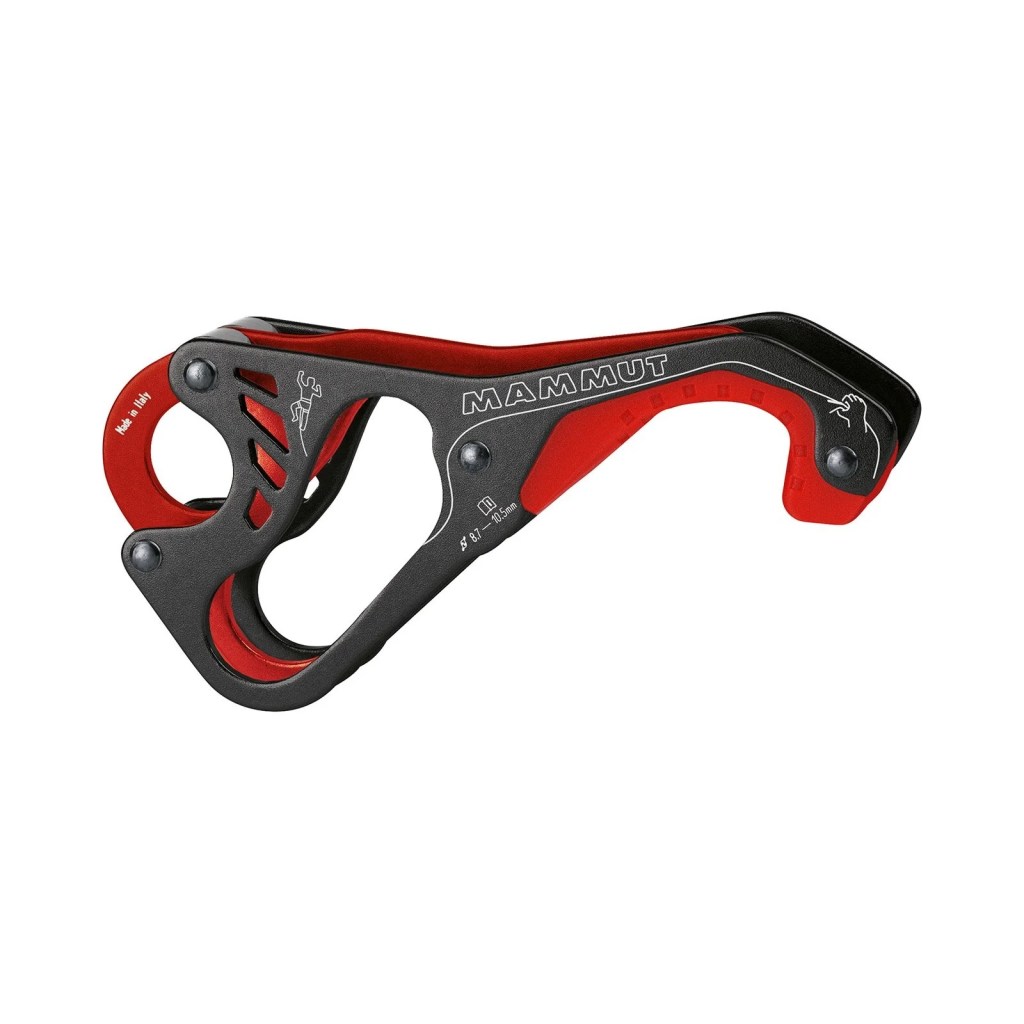
I haven’t used one but these are designed as an auto locking belay device for climbing. They are also finding their way into canyons as abseiling devices.
I’m not convinced they should be.
Advantages:
They have an auto lock function.
Can be set up to disable the auto lock function.
Disadvantages:
From what I could see you need one hand pulling the lever down and the other controlling the brake strands which might make it tricky if you need to push off the wall or get over a lip or something.
Potential to lock off in flow.
Looked to be a little jerky on the rope.
Rack bars
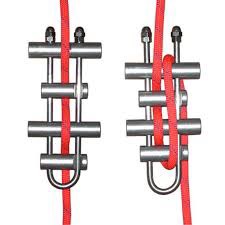
There are a few adaptations to this old classic, the better ones have horns to help make locking off and adjusting friction on the fly easier.
Advantages:
No need to disconnect the device from your carabiner to connect or disconnect from rope.
They don’t twist the rope.
You have plenty of friction options and some come with horns to assist lock of and adjust friction on the fly.
Disadvantages:
You have a big metal bar hanging between your legs between abseils (to be fair it’s easy to clip up to your harness loops.)
In theory if the rope unweights (eg. if you stand on a ledge) it is possible, though unlikely for the rope to disconnect.
Scarab:
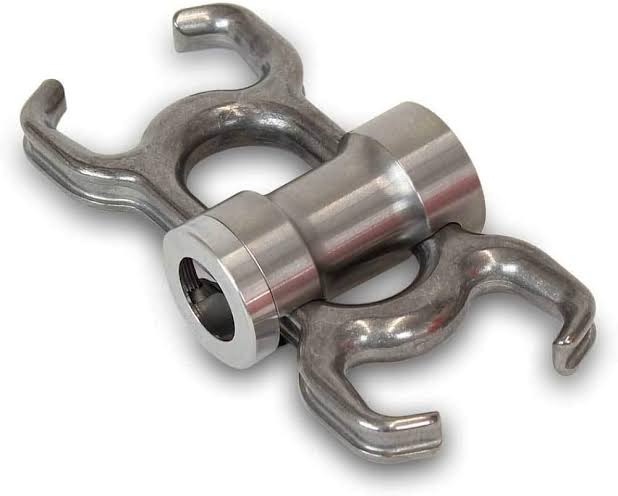
A twist on the rack bar idea that I haven’t used one but a good friend swears by it.
Advantages:
Doesn’t twist the rope.
Plenty of options for setting friction and adjust on the fly.
Easy to lock off.
No need to disconnect from the carabiner to connect or disconnect from the rope
Disadvantages:
In theory if the rope unweights (if you stand on a ledge) it is possible, though unlikely for the rope to disconnect.
Hydrobot:
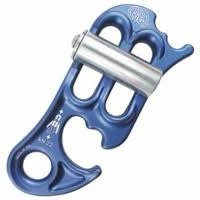
Another adaptation of the rack bar idea.
I’ll preference this by saying I used the original version, the Kong Robot, for years and loved it… When we were using 11mm ropes. TBH I’m not a fan of the modern version for a few reasons, especially for beginners or on skinny ropes. But you do you.
Advantages:
They don’t twist the rope.
No need to take off the carabiner to connect or disconnect from rope.
Can be easily set up as an ascender.
In theory the horns let you adjust friction on the fly. In reality the horn design is far more limited than the original Robot.
Disadvantages:
In theory if the rope unweights (if you stand on a ledge) it is possible, though very unlikely, for the rope to accidentally disconnect.
They are handed. If you want to switch which brake hand you use you have to unscrew the bar and flip it.
Minimum friction setting is damn fast on modern skinny ropes.
Even with the horns they are harder to lock off than other devices and adjust friction on the fly. EDIT. Too be fair the latest version seems like it would be much better than the older versions.
sqwurel
One of the first devices I used that made adding friction and locking off on the fly easy peasie.
Advantages:
No need to take the device off the carabiner to connect or disconnect from the rope.
Super easy to add or remove friction on the fly.
Super easy to lock off
Disadvantages:
If you add friction it will twist the rope like an eggbeater on acid.
To swap brake hands you need to take it off and and turn it around.
Critr, mini devil, oka, etc
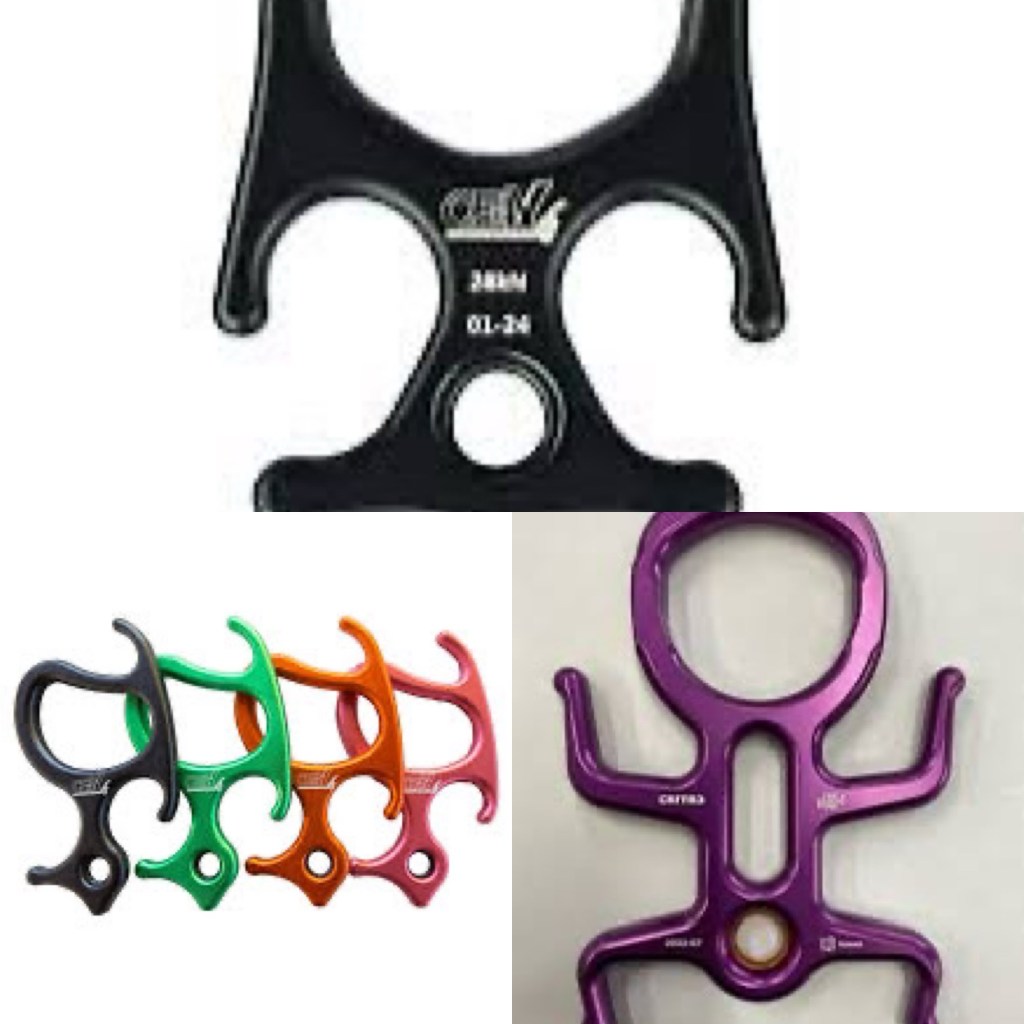
The Critr is my preferred device at the moment but I’m grouping it in with similar armed style devices even though it has some extra belay and lock off options.
Advantages:
No need to take the device off the carabinner to connect or disconnect from the rope.
Super easy to adjust friction on the fly
Super easy to Lock off.
Disadvantages:
Twists the rope a bit when you start adding friction.
The arms can catch on the rope as you coil it. Can also catch on other stuff as you walk along
More expensive than some other devices.
PALIKOA
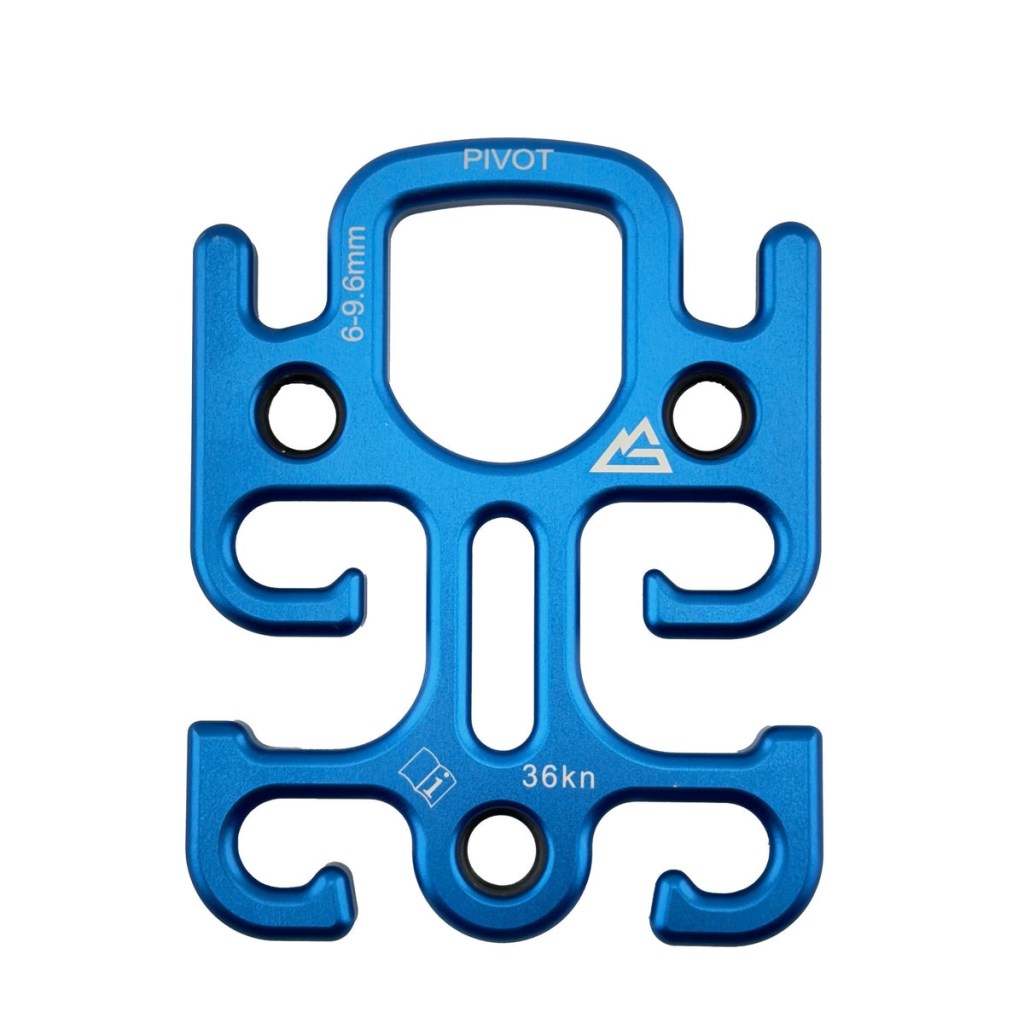
I kept this separate from the above group just because of some of the more unique options to use it for anchor management.
I haven’t used one myself.
Advantages:
No need to take the device off the caraienner to connect or disconnect from the rope.
Super easy to adjust friction on the fly
Super easy to Lock off.
Lots of options for anchor and belay set ups.
Disadvantages:
Twists the rope a bit when you start adding friction.
A bit heavier and bulkier than some devices.
More expensive than some other devices.
Piraña
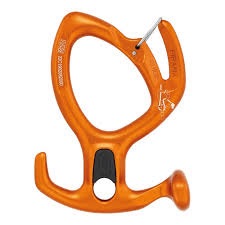
I’ve separated the pirana from the above horned devices.
They have similar advantages and disadvantages but I wanted to add Petzl needed to add a gate to the lock off slot after reports of people inadvertently being locked off while trying to drop of the end of the rope into water. If you have one without the gate be aware of that and take care.
Rig, Stop, etc
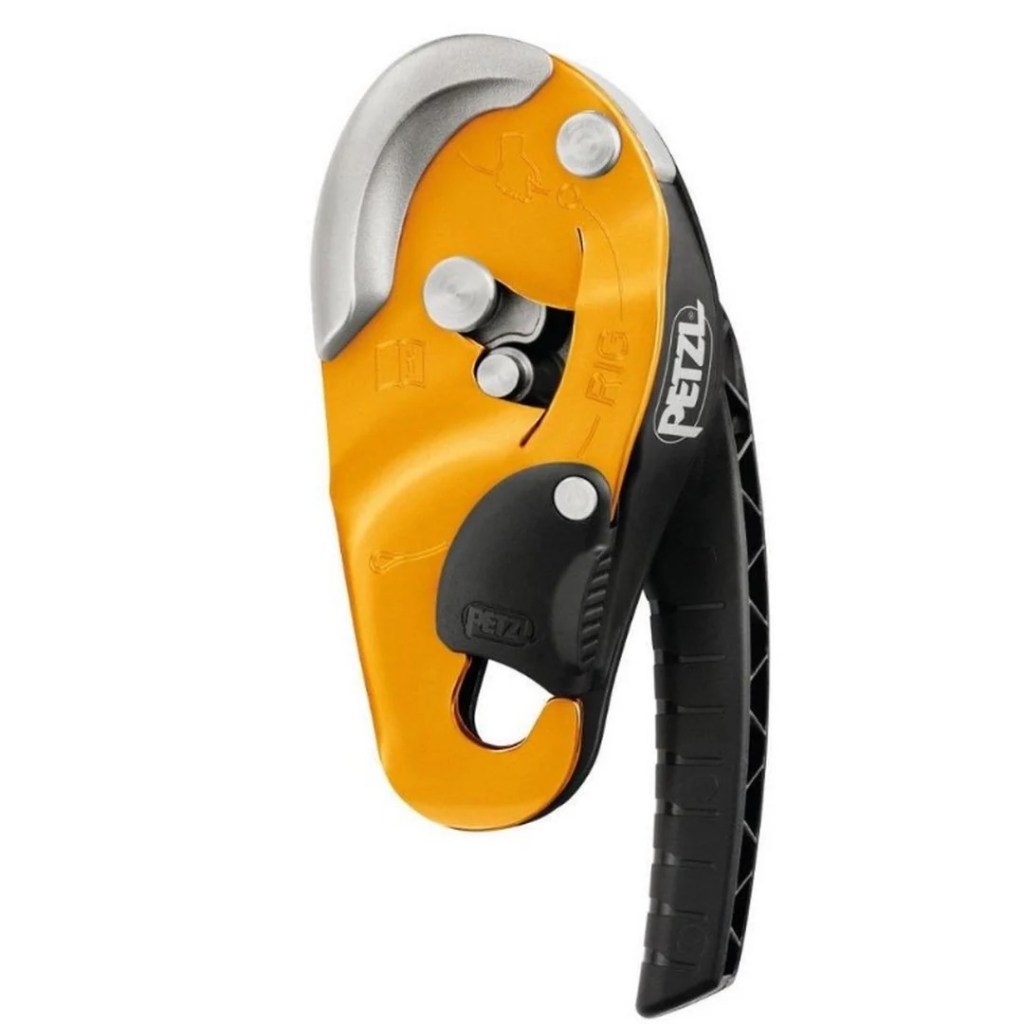
There are a few auto braking devices out there designed for abseiling. I’ve not tried them.
Advantages:
Auto brake function
Disadvantages:
Expensive.
Heavy.
Complicated.
Generally single rope only
Not sure how the mechanism holds up the grit and sand.
Auto belays
Gri Gri, Megawatt, descendo, etc.
Even though these are not recommended for abseiling some people use them to abseil.
Don’t.
Disadvantages:
Expensive.
Heavier.
The mechanism doesn’t hold up particularly well to sand and grit so not recommended for canyoning.
Potential to lock up and trap the abseiler in flow.
Not recommended for abseiling.
 sleepwhenwearedead